How To Match Textures In Everyday Outfits Effortlessly – Women’s Edition
Texture plays a powerful role in women’s clothing, often making the difference between a simple outfit and one that feels thoughtfully styled. While color and silhouette are important, texture adds depth, dimension, and visual interest. Learning how to combine different textures effortlessly allows everyday outfits to feel more refined, balanced, and expressive without relying on bold patterns or complex styling choices. The key is to understand how fabrics interact and how they can complement each other naturally.
Understanding The Role Of Texture
Texture refers to the surface quality of a fabric and how it visually or physically feels. Smooth fabrics, structured materials, soft finishes, and slightly rough surfaces each bring a different character to an outfit. When combined correctly, these variations create contrast that feels intentional and stylish. Even within simple clothing choices, texture can elevate the overall appearance by adding subtle complexity without overwhelming the look.
Start With A Simple Base
Every well-balanced outfit begins with a strong base layer. A smooth, soft fabric works best as a foundation because it provides a neutral starting point for additional textures. This base should feel comfortable and visually clean, allowing other elements to stand out. Keeping the base simple ensures that the outfit does not become visually heavy and allows texture combinations to feel more controlled and intentional.
Introduce One Statement Texture
When working with textures, it is important not to overcomplicate the outfit. Introducing one dominant texture creates focus and prevents visual confusion. For example, pairing a soft base with a more structured or slightly raised surface adds depth without overwhelming the overall look. This approach keeps the outfit balanced while still offering visual interest. The goal is to let one texture lead while others support it.
Balancing Soft And Structured Elements
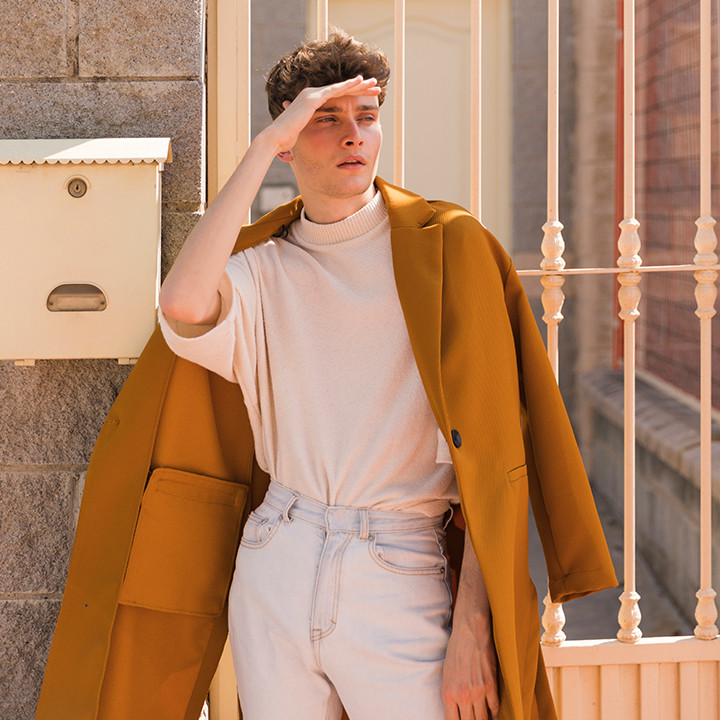
One of the most effective ways to match textures is by balancing soft and structured materials. Soft fabrics create fluidity and comfort, while structured materials add definition and shape. When combined, they create harmony within the outfit. This contrast helps maintain a polished appearance while ensuring that the outfit does not feel too rigid or too relaxed. The interaction between these two types of textures is what brings sophistication to everyday styling.
Layering Different Surface Finishes
Layering is a natural way to introduce multiple textures into an outfit. Each layer can contribute a different surface quality, creating depth and dimension. A smooth inner layer paired with a slightly more defined outer layer helps build visual interest without complexity. The key is to ensure that each layer complements the others rather than competing for attention. Subtle transitions between textures create a cohesive and effortless look.
Keeping Color And Texture In Harmony
While texture adds dimension, color helps maintain balance. When working with multiple textures, it is often helpful to keep colors within a similar tone range. This allows the textures themselves to stand out without creating visual distraction. Soft tonal variations help unify the outfit, ensuring that the combination of fabrics feels intentional and well-composed. Harmony between color and texture is essential for a refined appearance.
Mixing Smooth And Tactile Surfaces
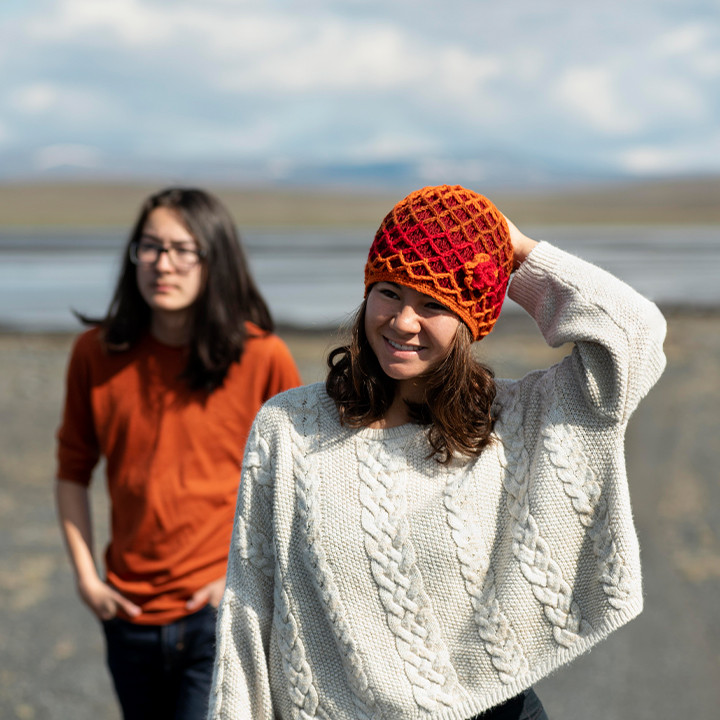
Combining smooth surfaces with slightly more tactile fabrics is a simple yet effective styling method. Smooth materials provide a clean visual flow, while tactile surfaces add subtle interest. This contrast creates a natural rhythm within the outfit, making it feel dynamic without being overwhelming. The balance between these surfaces helps maintain elegance while still offering a sense of depth.
Paying Attention To Proportion And Flow
Texture matching also depends on how the outfit flows visually. Heavier textures should be balanced with lighter ones to avoid imbalance. Maintaining proportion ensures that no single element dominates the outfit. When textures are distributed evenly, the overall look feels cohesive and comfortable. This attention to flow allows the outfit to appear effortless while still being thoughtfully styled.
Everyday Practical Styling
Matching textures does not need to be complicated. Everyday outfits benefit most from simple combinations that feel natural and wearable. The focus should be on creating subtle contrast rather than dramatic variation. With a few thoughtful choices, even basic clothing pieces can come together to form a visually interesting and polished outfit suitable for daily wear.