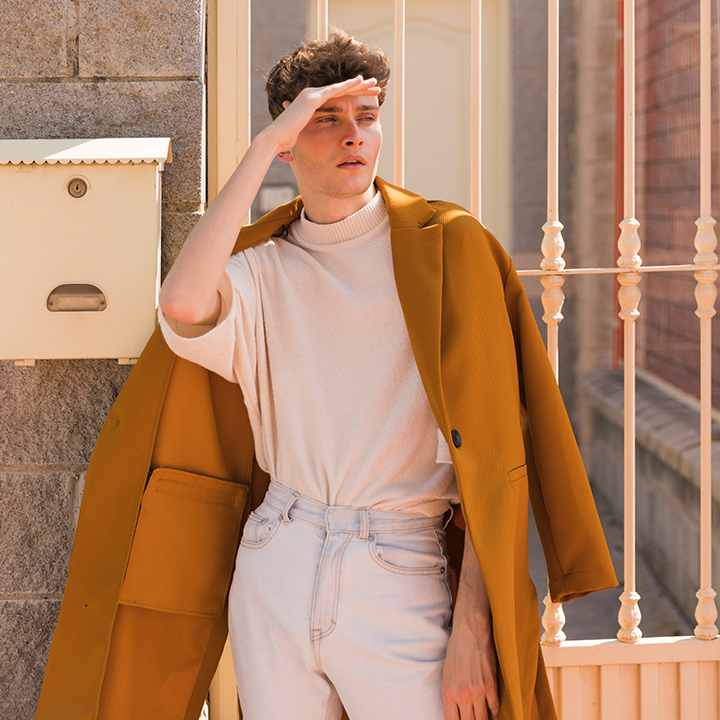
How To Style Neutral Tone Outfits Without Looking Plain – Men’s Edition
Neutral tones have become a core part of modern men’s clothing because they are versatile, clean, and easy to combine. Shades like white, beige, grey, black, and soft earthy hues create a refined foundation for everyday dressing. However, one common concern many men face is that neutral outfits can sometimes appear flat or lack visual interest. The key is understanding how to build depth, balance, and subtle contrast while staying within a neutral palette.
Start With Strong Base Pieces
The foundation of a neutral outfit begins with well-chosen base clothing items. A simple top in white, off-white, or muted grey paired with well-fitted bottoms in complementary tones sets a clean starting point. The goal is not to overcomplicate the outfit but to ensure that each piece fits well and feels intentional. When clothing aligns properly with the body’s natural lines, even the simplest combination appears polished rather than plain.
Play With Shades And Contrast
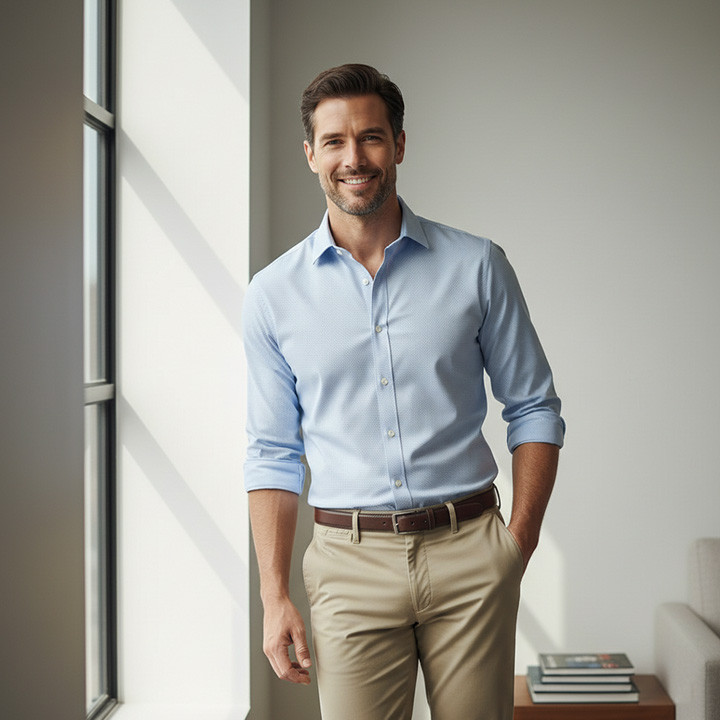
One of the most effective ways to avoid a flat look is to use different shades within the neutral spectrum. Pairing light tones with slightly deeper shades creates natural contrast. For example, a light top combined with darker bottoms instantly adds dimension. Layering similar tones with slight variation also enhances visual depth without introducing bold colors. This subtle contrast keeps the outfit interesting while maintaining a minimal aesthetic.
Focus On Fabric Texture
Texture is a powerful styling tool in neutral clothing. Even when colors are simple, different fabric finishes can create visual richness. Smooth surfaces combined with more structured or textured materials bring balance to the outfit. For example, pairing a soft cotton top with more structured bottoms creates contrast that feels refined. Mixing textures ensures the outfit looks thoughtfully styled rather than one-dimensional.
Use Layering To Add Depth
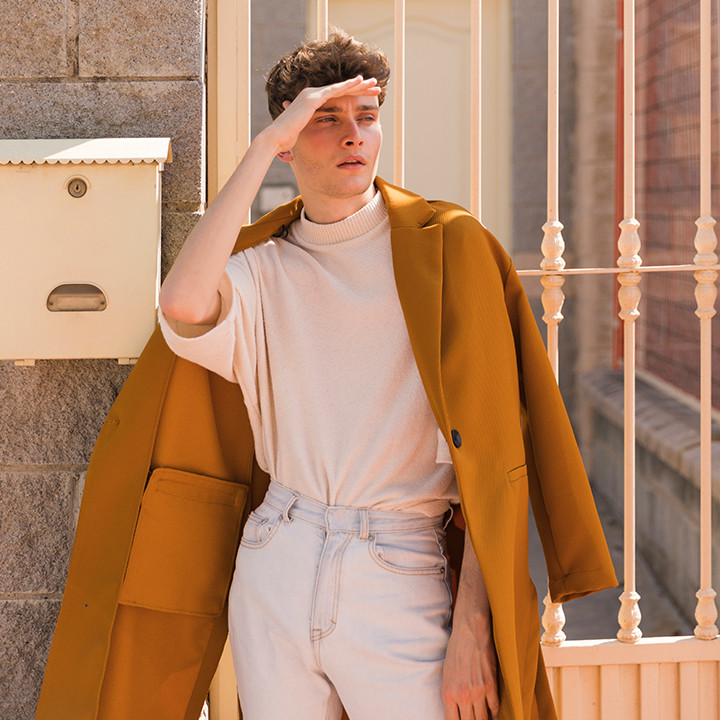
Layering is essential when working with neutral tones. Adding a lightweight outer layer over a basic top can instantly elevate the look. This creates multiple visual levels within the outfit, making it more dynamic. Keeping the layers in similar tones maintains harmony while still adding structure. Layering also allows flexibility for different environments, making the outfit suitable for both relaxed and slightly more refined settings.
Prioritize Fit And Structure
Fit plays a major role in how neutral outfits are perceived. Clothing that follows the natural shape of the body creates a sharp and clean appearance. Well-structured pieces prevent the outfit from appearing loose or undefined. Balanced proportions between upper and lower garments help maintain visual harmony. When clothing fits well, even the simplest color combinations look intentional and stylish.
Add Subtle Visual Interest
Instead of relying on bold elements, neutral outfits benefit from subtle design details. Minimal patterns, tonal variations, or fine stitching details can add character without overpowering the look. These small design elements create focal points that guide the eye across the outfit. The key is restraint, ensuring that nothing feels too loud while still preventing the outfit from feeling empty.
Balance Proportions Thoughtfully
A well-balanced outfit depends on how different clothing elements relate to each other. If the top is more relaxed in feel, the lower half should bring structure, or vice versa. This balance helps create a cohesive silhouette. Maintaining proportion ensures that the outfit feels stable and visually appealing. It also prevents the neutral tones from blending too much into one flat appearance.
Confidence Through Simplicity
Neutral outfits are most effective when worn with confidence. The simplicity of the palette allows the wearer to focus on presence rather than complexity. Clean lines, subtle contrasts, and thoughtful combinations create a refined appearance that feels natural. Confidence enhances the overall impression, turning minimal clothing choices into a strong personal style statement.